Callings & Ordinances
Support and suggestions around church discussions
Callings for People with Disabilities
There are no limitations in the church on what callings someone can hold based on their physical or intellectual disabilities. However, sometimes if church leaders do not properly understand someone's capabilities, they may fail to consider them for the range of possible callings in which they could serve.
It can be helpful to be aware of callings that can both meet people with disabilities where they are at, and also examples that some people might have assumed wouldn't be possible.
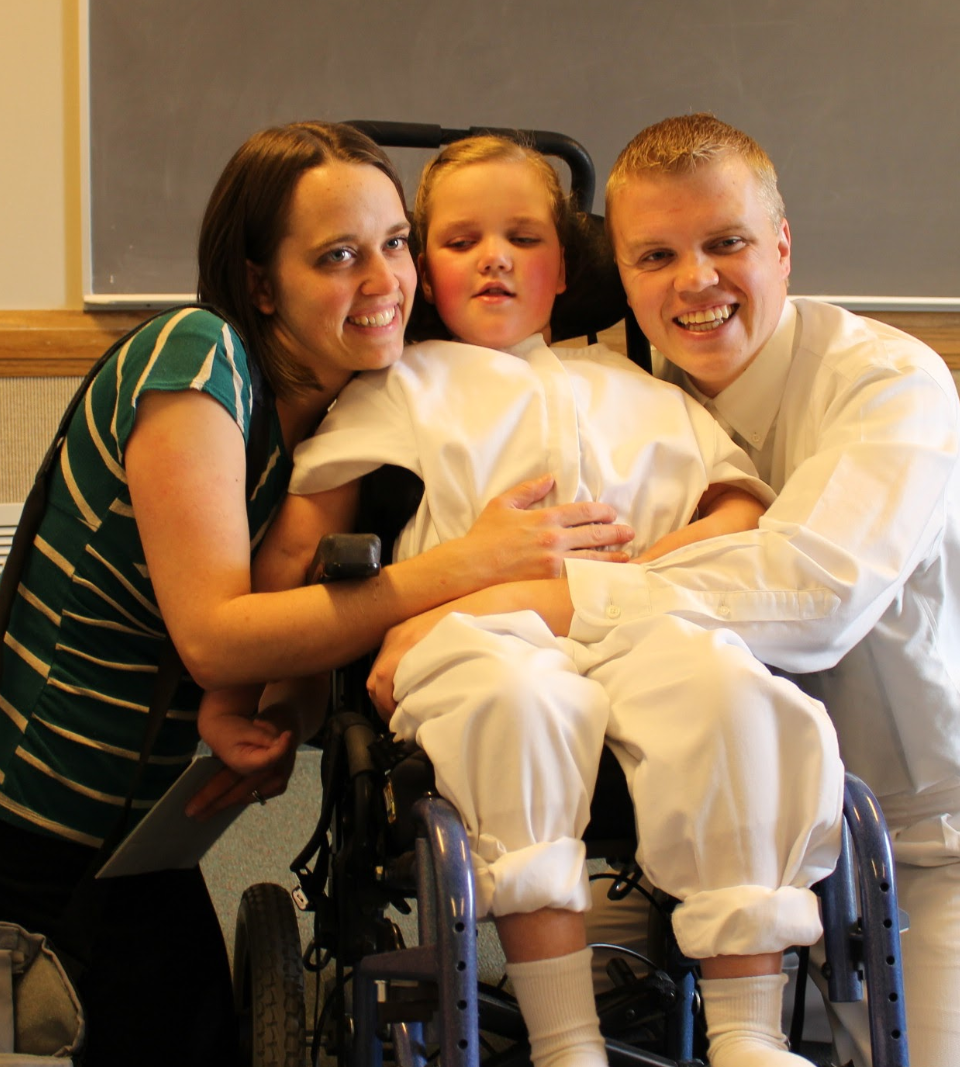
Becca has served as a class presidency counselor, and most recently as a Young Women's class president over a group of 12-15 girls. She has served as an assistant music director in Primary and directed the kids.
People with disabilities can serve in many callings, even leadership positions -- especially when we help them understand the necessity of delegation in church leadership callings.
Ordinances for People with Disabilities
Church ordinances can be a bit tricky for people with disabilities. The scriptures teach that baptism is not required for those who are not accountable. But measuring accountability isn't always possible.
Some families report needing to wait for "the right Bishop" before their child could be baptized. Some were told by a bishop that their child would "never" be baptized. Many bishops are willing to meet with families and people with disabilities to understand their specific situation and support them when there is a desire to perform saving ordinances.
Strategies for Preparation
The main prerequisite for baptism is a desire to follow Christ. If your child has independently expressed a desire to be baptized, then there is probably a way to make it happen.
Additionally, you may need to help ward leadership accept and understand your child's accountability. If they see your child participate in Primary, including giving prayers or sharing scriptures, or if your child is willing to bear their testimony in Sacrament Meeting, it may help others recognize your child's level of understanding. None of these things are in any way require for baptism, and I wouldn't recommend pressuring your child if they are uncomfortalbe. Other approaches to awareness could include them making cards for church leaders or you sharing personal spiritual experiences you've had with your child on a regular basis.
Baptism must be performed by immersion, and the handbook states that white clothing is required for the baptizer and baptizee, but church-provided jumpsuits are not necessary, just convenient. Only two witnesses are required, and a whole program is not necessary if that won't work for your child.
If baptism is not appropriate for your child, it is still worth talking with the Primary presidency about ways your child can be included, especially during the year they turn 8. The other children their age will benefit from seeing them be recognized and included, even if it's not by baptism.
I have heard mention of something called "baptism by proxy for the living" where, with First Presidency approval, someone can act as a proxy for a person who would not be able to be baptized for themself. This is not in the handbook and was shared with me secondhand, by someone who was told by a church representative, so that's all I can say about it for now.
Other Ordinances
There are many accommodations possible for temple ordinances, for those who have received a temple recommend. Church leaders will expect a higher degree of understanding (and possibly interaction) before granting a temple recommend. But there are youth with autism, Down Syndrome, Rett Syndrome, etc. who regularly perform baptisms for the dead.
When attending for baptisms for the dead, people with disabilities are not required to participate in both baptism and confirmation. They can act as witnesses for the baptism. If they cannot easily be baptized themselves, they can perform confirmations for temple-provided names, or have someone else perform the baptism portion for them.
NOTE: We have had trouble with some temple coordinators not wanting to allow a stand-in for the baptism portion if the stand-in is also doing their own names because that would be "too many" names for one person (they have a hard time remembering that it's for two people not just one). Our current strategy is to just tell the coordinator that Becca and her sister will both be doing names, and leave the stand-in discussion for the font area.
Other temple ordinances are also regularly accommodated for. There are senior church members who attend the temple regularly who cannot get out of a wheelchair, or who cannot speak anymore, so there are accommodations in place that will work for many disabilities. You can always call the temple presidency and ask if you have more specific questions.
If you have questions about how we've navigated temple ordinances for Becca, please feel free to message us!